OUR ENTITIES
Abbey Farm: A Working Dairy Farm in Caboolture
A working dairy, an organic garden, and a fifth of the property preserved as natural bush. The farm has been part of the Community’s story from the day they arrived.
Abbey Farm at Caboolture is a working dairy farm that has sustained the Abbey Community through sixty years of seasonal rhythms, hard labour, and quiet determination. Today the farm milks a herd of more than one hundred dairy cows, tends an organic vegetable garden and small orchard, and holds approximately one third of the property as preserved natural bush
The farm has never been simply a commercial enterprise. From the first cow purchased in 1965 to the registered dairy that operates today, the land has shaped the Community and the Community has shaped the land. Working the farm together was how the early members learned what they were made of, and what a life held in common could ask of each other.


Our Farming Story
Farming from Scratch: The Abbey Community in Caboolture Since 1965
When the first Community members arrived in Caboolture on 16 July 1965, the property was 313 acres of virgin bush with one small fibro cottage, a well, two slab sheds, and a small patch of cow cane. They arrived almost without funds.
A neighbour across the road, Mrs Offer, provided milk from her own cow and then taught Community members to milk by hand when their first cow arrived. A cow bail was erected from bush timbers. Five acres were cleared, ploughed, and planted with the first crop of tomatoes, with guidance from local farming identity Con Iffinger, who helped the Community find its footing in those first uncertain seasons.
Farming quickly became the Community’s primary source of income. Fr Paul took the lead on crops: tomatoes and pumpkins were the mainstay, but zucchinis, potatoes, and sweet potatoes also went in the ground. Planting and harvesting were collective efforts, frequently joined by volunteers from the church congregation. Picking 100 bags of pumpkins in a morning, packing them in the afternoon, and loading them onto a truck for the Rocklea Markets was ordinary work.
Pigs came early: Bubble, Squeak, and Spot were the first three, housed in a log pen built in the second year. The herd grew steadily over the following years. At its peak, the Abbey piggery held over 100 sows and around 1,400 piglets of various sizes. Br Edward drove the Community truck to Redcliffe and Bribie Island to collect swill from supermarkets in 44-gallon drums. When regulations changed, grain replaced the swill, and Br Edward travelled far west to source and bring it back.
The Community also kept goats, horses, and a wide variety of poultry: geese, turkeys, chickens, guinea fowl, and three breeds of duck. For a number of years the ducks became a small industry, with around 100 processed each week and sold primarily to Chinese restaurants across Brisbane. The duck enterprise was eventually phased out as more Community members were needed at the growing College.
Nothing was wasted. The small feathers from duck plucking were washed, dried, and made into pillows and eiderdowns. Sr Veronica and Reverend Mother made candles for the church and soap for the household. The Abbey kept a number of beehives, looked after by Sr Agnes and later by Edith and Brother Charles, with advice from local beekeeper Mr Thornton. The hives provided fresh honey for the table and wax for the candles.
Seed to Table
The Organic Vegetable Garden and Orchard at Abbey Farm, Caboolture
The Community was strongly focused on self-sufficiency, partly as a philosophy but also as a necessity.
Sr Veronica, Sr Zita, and later Edith looked after the organic vegetable garden, the herb garden, and the orchard. These provided most of the vegetables, herbs, and fruit for the dining table. Many evenings were spent making preserves and jams, blanching and bottling vegetables for the months ahead.
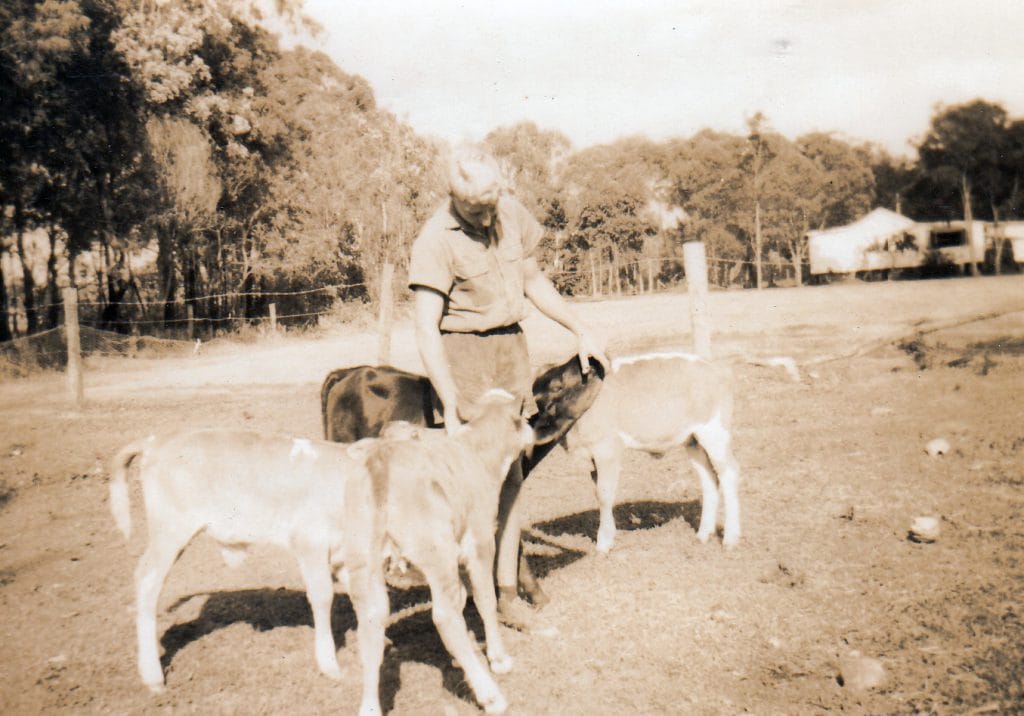
Sr Helena used excess milk to make cheese, and cream was churned into butter. In the very early days the cows were turned out in bush paddocks that stretched halfway to Ningi Creek, and Michael would ride out each morning on his horse Cally to find them and bring them in. A milking machine was installed in the bails in 1969.
The Abbey’s organic vegetable garden continues today, supplying fresh produce for the Community’s own use. A small orchard remains on the property alongside it.
.
Still Milking at Dawn
A Registered Working Dairy Farm Sustaining the Abbey Community in Caboolture
In 1994 it was proposed that the dairy herd be developed into a commercial enterprise. Fr Thomas played a central role in this transformation and, for at least twenty years, greeted the dawn each morning as he brought the cows in for milking. During that period the dairy underwent significant expansion: a new milking system was installed, the herd grew to more than one hundred head, and improved pastures were established across the property.
Today the milking herd continues as a registered dairy and remains the focus of the Abbey’s commercial agricultural activities in Caboolture, Queensland, within Australia’s subtropical dairy region. The farm is part of what makes the Abbey precinct distinctive: a working community farm in southeast Queensland where the rhythm of the land still shapes the day.
Read more about life on the Abbey dairy in our blog.


Protected Since 1965
One Fifth of Abbey Farm Preserved as Natural Bushland
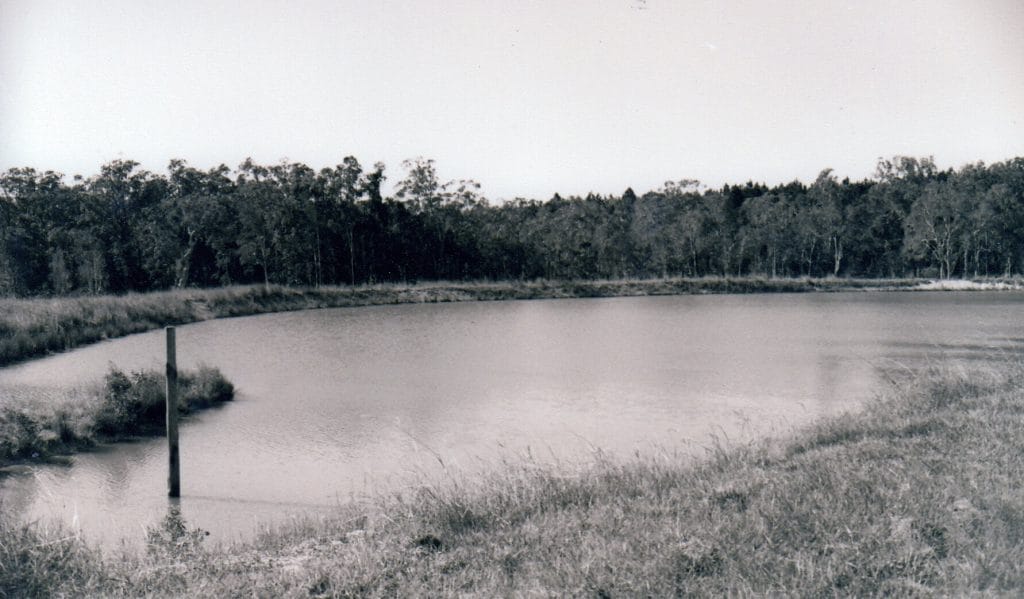
Approximately one fifth of the Abbey property is preserved as natural bush surrounding the working dairy farm. It has been that way since the Community arrived. While the rest of the land was cleared and worked for the farm, these areas were left intact. Native trees, birdlife, and the quiet of the land have remained undisturbed.
The bushland is not managed for public access. It is simply there, as it has always been: part of what the Community has chosen to hold in trust as its share of the land it has occupied for sixty years.
“The Community’s working dairy farm at Caboolture was central to this self-sufficiency, partly as a philosophy but also as a necessity.”
The Abbey Community, Caboolture
From the Blog
Morning at the Bails: Life on the Abbey’s Working Dairy Farm
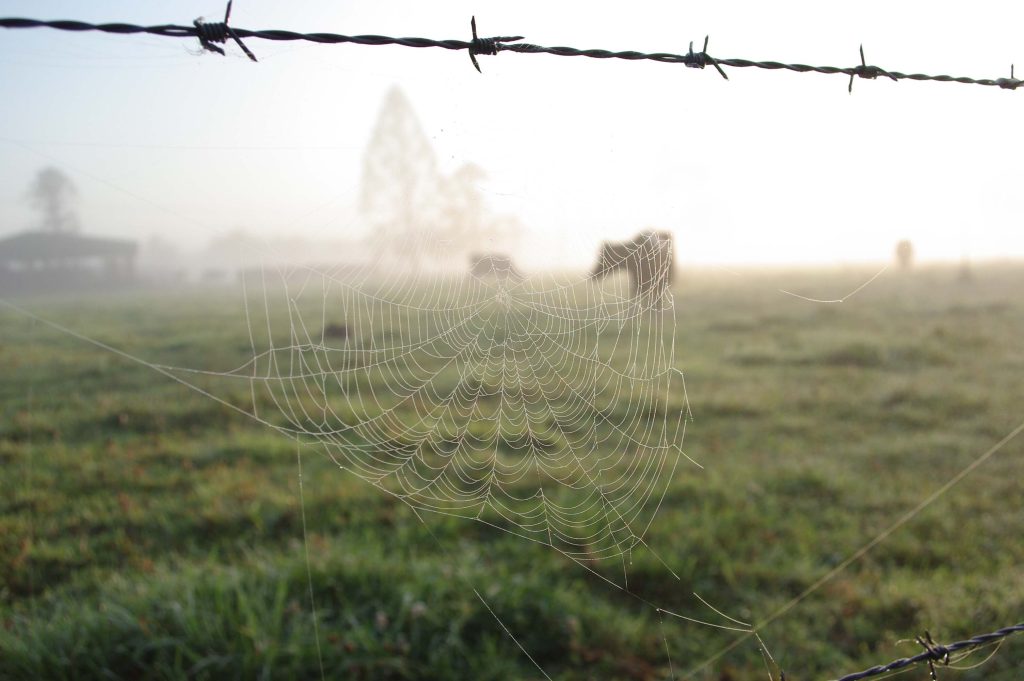
Life on a working dairy farm begins before dawn. For the Abbey Community, it always has. Read the full story in our blog.
Continue Exploring

Abbey Farm
A working dairy farm, orchard, and organic garden that has sustained the Community for 60 years.

The Abbey Church
An Orthodox Catholic church offering Sunday Holy Communion, evening meditation, and sacramental care.
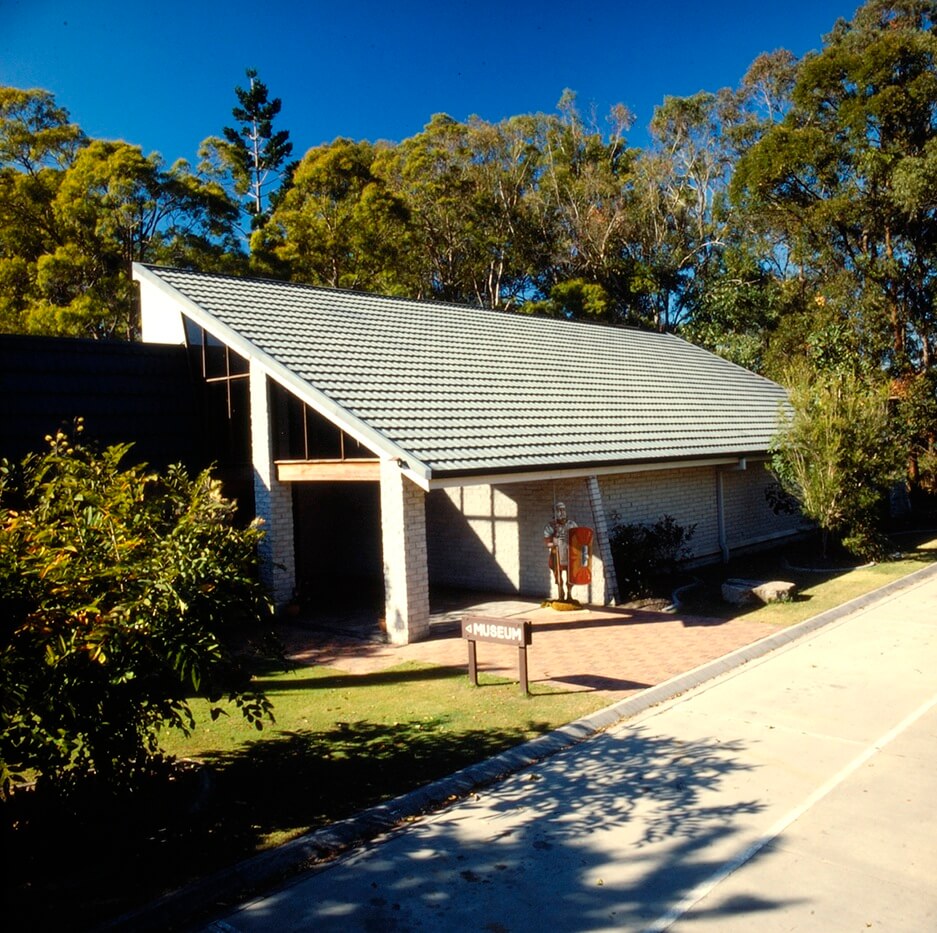
Abbey Museum
The Abbey Community brought collections from England and established a museum in 1986, home to the Abbey Medieval Festival.

St Michael’s College
An independent co-educational P-6 school and Early Learning Centre, grounded in the ethos of the Abbey Community.

Retreats
Nine quiet rooms, a refectory, library, chapel, and courtyard garden for personal retreat and group programs.